
Introduction
Pathways 2026 Session 4: Bylaws & Policies Addressing Advanced Practice Professionals, Plus HOT TOPIC Updates (Joint Commission 2026, Artificial Intelligence, and More!)
During this final installment of the 2026 Pathways leadership training program, we will cover a variety of “hot topics” that can help organizations to keep their Medical Staff governance documents up to date with industry norms and cutting-edge technology. This includes addressing modern trends in how Advanced Practice Professionals are incorporated into the Medical Staff Bylaws and related Medical Staff governance documents, as well as recommendations for whether/how the Bylaws should address AI technologies and Joint Commission 2026 updates.
Topics Covered
- Addressing Advanced Practice Professionals in Medical Staff Governance Documents:
- Is a separate AHP Policy necessary or recommended? Should you have separate and/or different hearing and appeal procedures for advanced practice professionals?
- Can and should APPs be granted Medical Staff membership, with voting rights? We will discuss pros, cons, and industry trends;
- Can and should APPs serve on Medical Staff committees? Even the MEC? Can/should they have voting rights? Can APPs attend and vote at department meetings?
- If APPs attend meetings where peer review is discussed, does that compromise the privilege? Is it appropriate for APPs to attend a meeting where a supervising physician or collaborating physician will be credentialed or peer reviewed?
- Should a supervising or collaborating practitioner be notified of any peer review issues involving an APP under their supervision/collaboration? Should that practitioner be involved in the review process?
- If APPs are required to be under physician supervision or collaboration, is a written agreement reflecting the supervision/collaboration arrangement required? Does the arrangement have to be with a single, named member of the Medical Staff? Does the Medical Staff office need to obtain a copy of the agreement at the time of credentialing? Who is responsible for notifying the Hospital/Medical Staff of changes to the arrangement?
- What are the on-call obligations of APPs granted Medical Staff membership and/or privileges?
“Hot Topics” in APP Privileging:
- Clinical Privileges for RNFAs, Surgical Technicians/Assistants, and others who perform “important surgical tasks”;
- Should “House Staff” and Residents & Fellows be included in the Medical Staff structure? What privileges are appropriate for residents and fellows?
- Clinical Privileges with Skills Enhancement
- AI Technology and Medical Staffs:
- Practitioner use of AI in medical record documentation and other clinical care of hospital patients;
- AI Notetaking at Medical Staff meetings: will it compromise the peer review privilege? Does it affect document retention rules/regulations/policies? Is there anything that can or should be done?
- As Medical Staff leaders become harder to find, does AI have a place in peer review? Is that reliable and fair? Will it compromise privilege or immunity protections?
- Joint Commission 2026 Update: Effective January 1, 2026, the Joint Commission completely renumbered and updated its accreditation manual for Hospitals. We will quickly cover the few notable changes that may affect your Medical Staff Bylaws documents, so that you can be sure yours are up-to-date.
- CMS Conditions of Participation Update: Over the past year or so, CMS has updated its interpretive guidelines to the Conditions of Participation for Hospitals to acknowledge that an “assessment” – rather than full H&P – may suffice for some outpatients undergoing surgery or other procedures requiring anesthesia. We will take a look at the relevant language and discuss what your Bylaws/policies should say about the assessment option.
Who Will Benefit?
The 2026 Pathways program can benefit all of the following:
- Medical Staff officers
- Bylaws Committee members
- Credentials Committee members
- Medical Executive Committee members
- Medical Staff Services Professionals (MSSPs) and other hospital or CVO personnel who support the Medical Staff
- Chief Medical Officers
- In-house counsel
- Governing Board members
- Medical Staff members looking to get more involved in Medical Staff leadership
About HortySpringer Pathways
What is Pathways? It’s a training program for hospital and physician leaders who are looking to develop and enhance the skills they need to manage and oversee the hospital’s Medical Staff. Key features:
FOCUSED
Each Pathways Series is focused on a topic – or “theme” – that health system, hospital, and physician leaders have told us is essential and timely. Avoiding the sound bites and consultant-talk that permeate so many leadership training courses that are on the market, Pathways favors a deeper discussion of the topics at hand and take-home tips that can be implemented right away.
INCLUSIVE
Medical Staff leadership does not occur in a vacuum. While the “self-governance” of the Medical Staff is largely the purview of the organization’s practicing physicians, a multitude of individuals and bodies support and oversee Medical Staff activities: Board members, advanced practice clinicians, health system and hospital administrators, quality professionals, medical staff services professionals, HR professionals, executive recruiters, and more! Pathways web-based format allows organizations to finally make Medical Staff leadership training available to all of these individuals, fostering shared understanding and the implementation of aligned and unified policies, procedures, and leadership strategies across the organization.
ACCESSIBLE
Each Pathways webinar has been designed to require a minimal-to-moderate time commitment and to allow training to be completed from the comfort of your own home or workplace. With four 2-hour web-based training sessions spread over the course of several months, participation in the Pathways leadership program means not having to forego leadership development when time for training is limited or travel is difficult or impossible.
Webinar Disclaimer
The information presented during a webinar and any supplementary materials provided to registrants are intended for educational and informational purposes only. Nothing contained therein is to be considered as the rendering of legal advice for specific cases or circumstances.
No one should act or refrain from acting on the basis of any information presented during a webinar without seeking the appropriate legal or other professional advice on the particular facts and circumstances at issue from a lawyer practicing as permitted by applicable laws, regulations or rules of professional conduct. No attorney-client relationship is formed by registration for a webinar or the use of the supplementary materials.
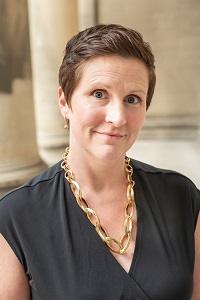 Rachel E. Remaley
  Fisher Filippazzo
 Registration
Pricing:
Single hospital webinar session purchase: $595
Single hospital webinar series purchase: $1,850 (Discounted by $530 if you sign up for all 4.)
Participants Will Receive:
- 2 hours CME/NAMSS credits per session or 8 hours of credits for the entire series
- All supplementary materials
- Webinar slide text
